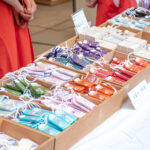
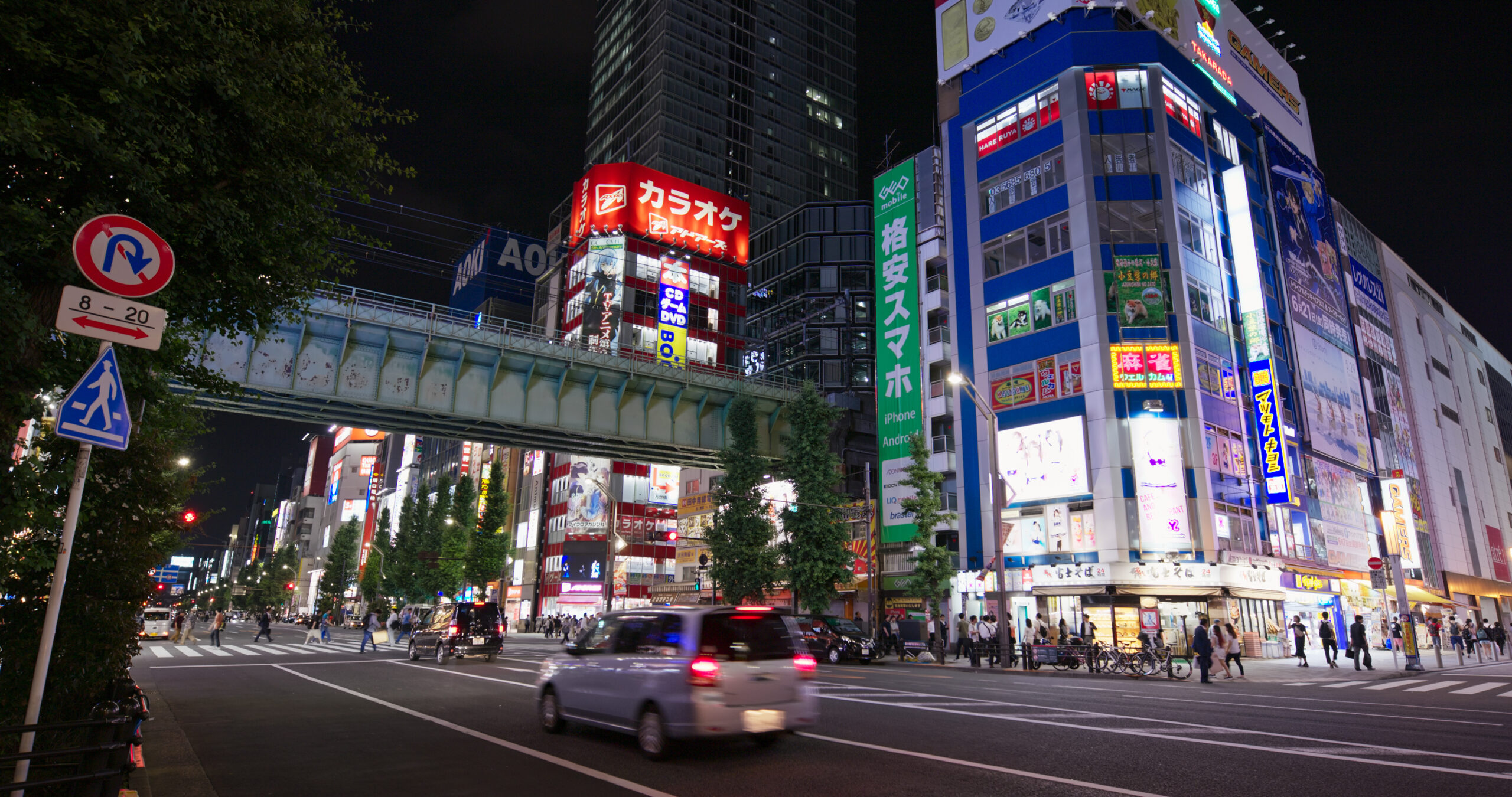
Japan is home to a fantastic variety of retailers, from tiny independent businesses to massive department stores. And shopping tax-free in Japan can make picking up fun souvenirs, snacks, and a huge range of other goods even more satisfying.
We love to bring you Japan travel tips to help you get the most out of your visit, and today we’ll explain how to shop tax-free and make your money go further!
Shopping tax-free in Japan is simple: eligible customers can claim back the 10% consumption tax (or VAT) to make a saving on qualifying purchases. You’ll find many stores across the country that sell products at tax-free rates too.
Planning to visit Japan after November 1, 2026? The tax-free shopping system is changing, and from November 2026, tax will no longer be deducted at the register. Instead, you’ll pay the full price in-store and claim a refund at the airport before departure. Jump to the full details below.
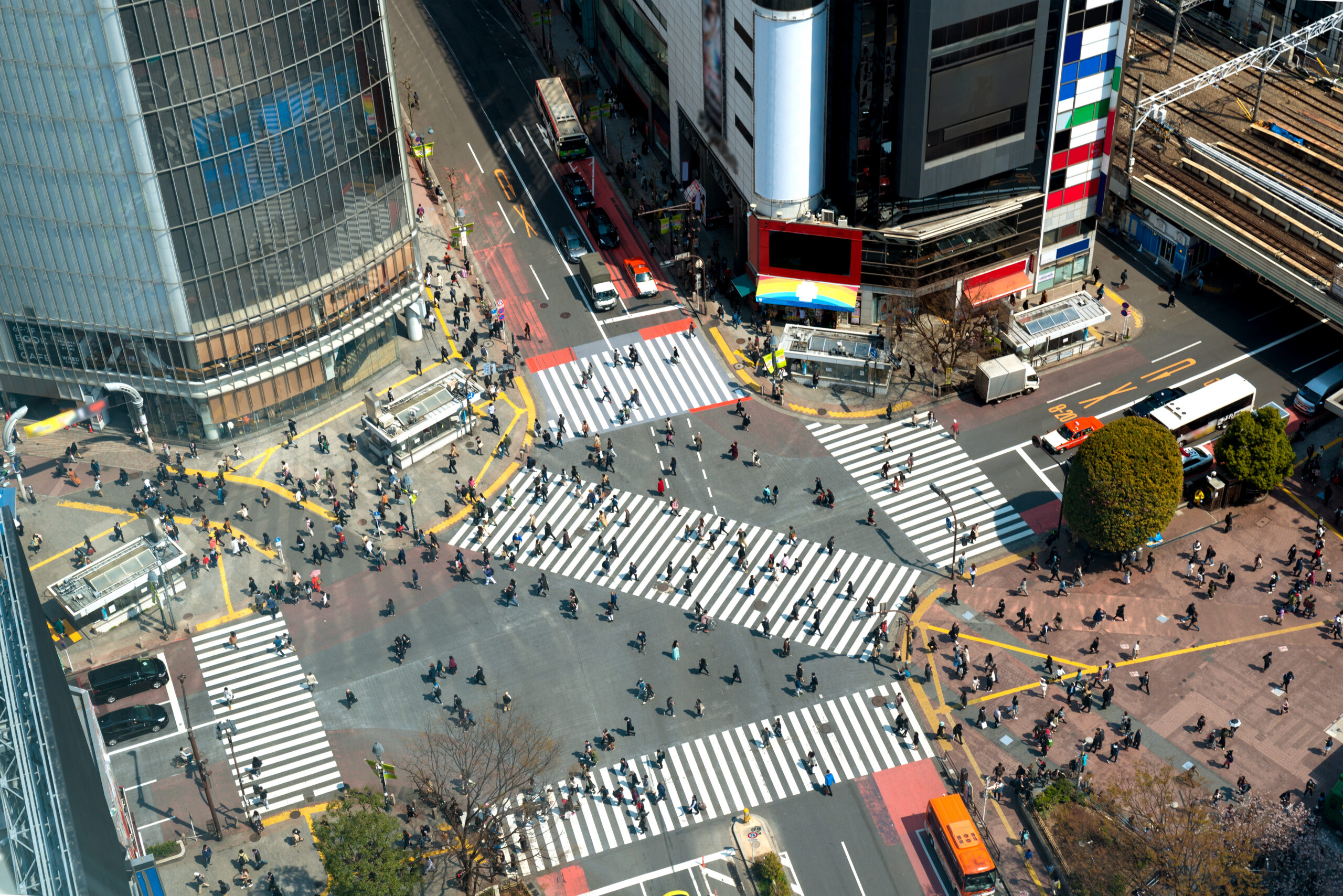
The concept of tax-free and duty-free may seem similar, but there are some key differences:
Duty-Free: Duty-free goods are typically sold to Japanese and foreign travelers departing the country. They’re exempt from multiple taxes (not just consumption tax), such as tobacco and liquor tax. Duty-free products are usually sold in airports or other points of entry into a country.
Tax-Free: Tax-free stores sell goods to non-residents and foreign travelers, but they’re exempt from consumption tax only. These are more general items than available in duty-free stores, though there is some crossover.

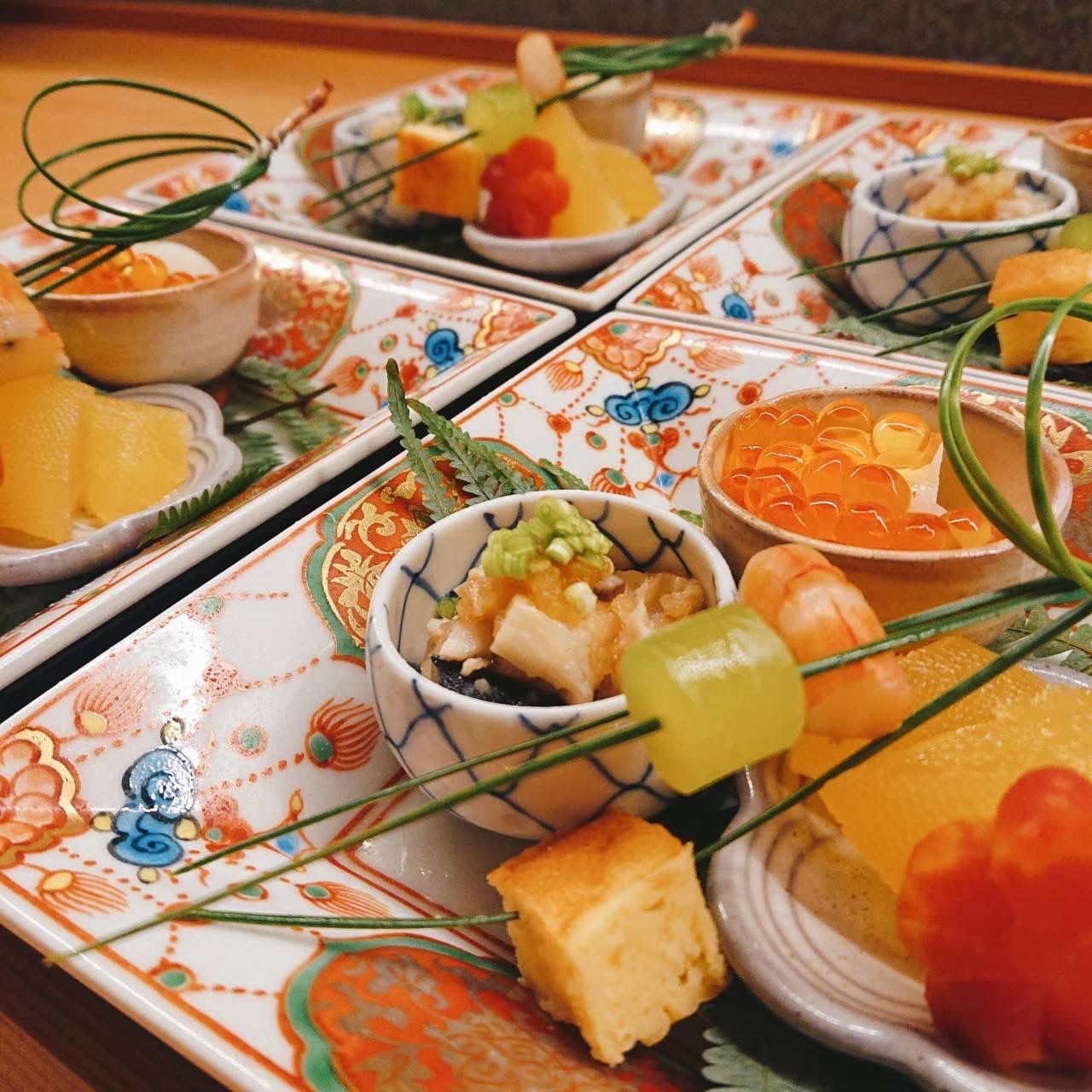
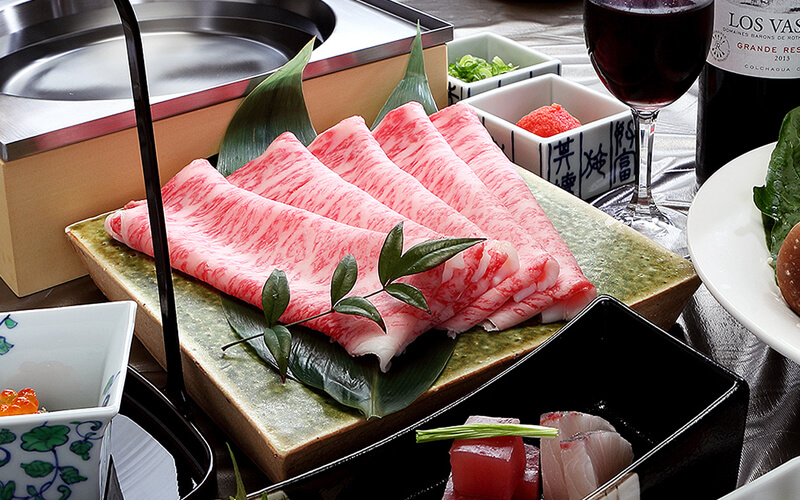
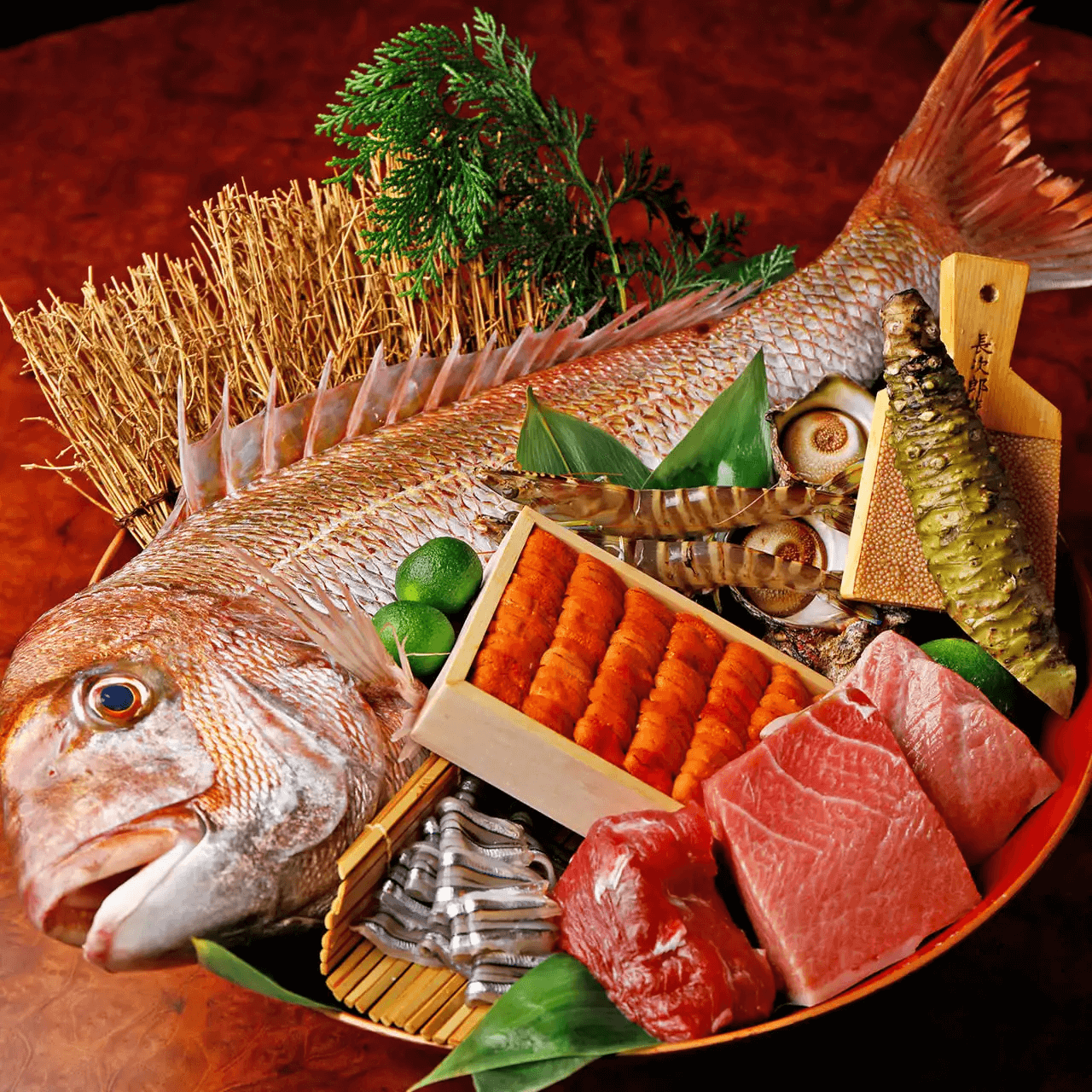
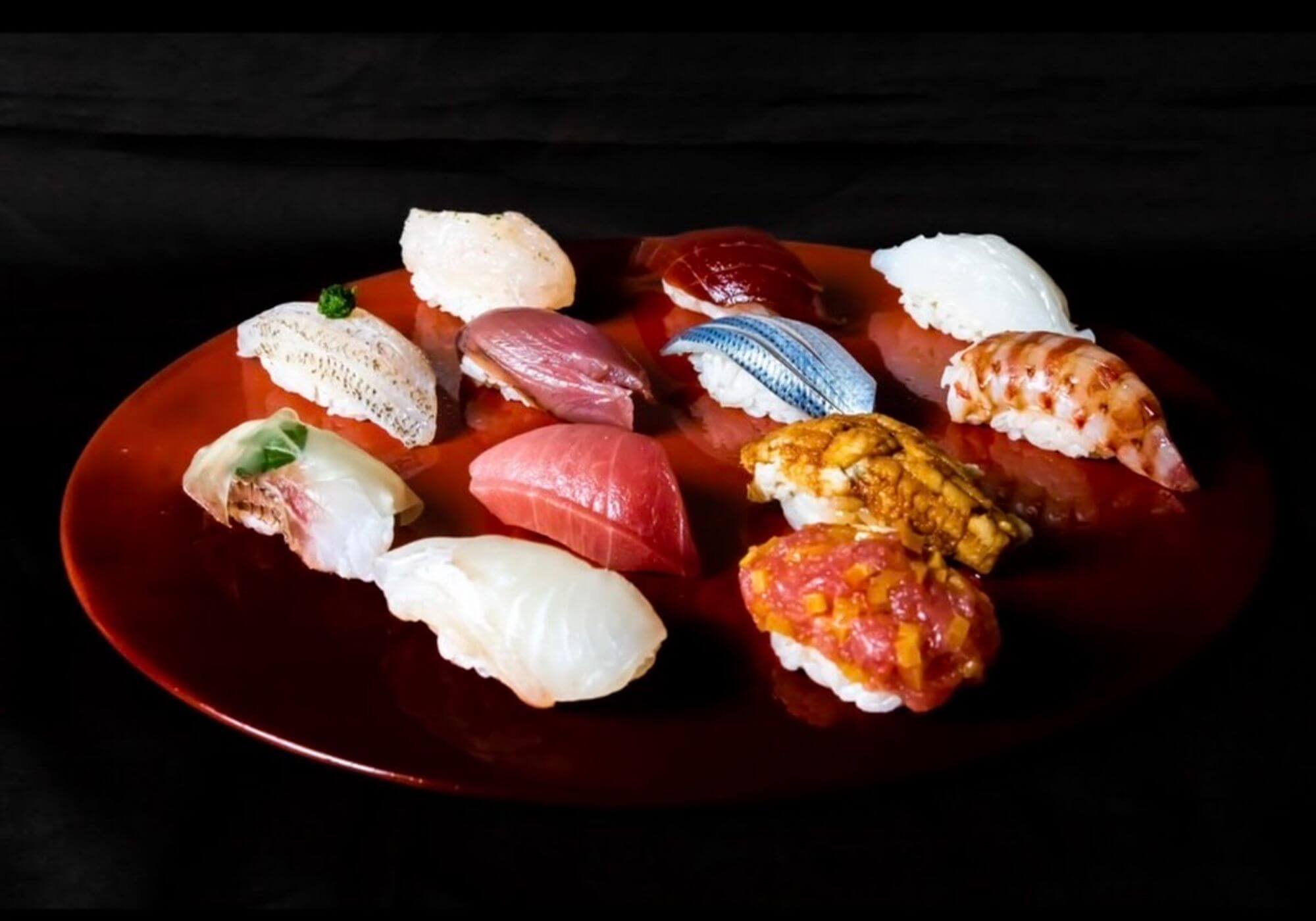
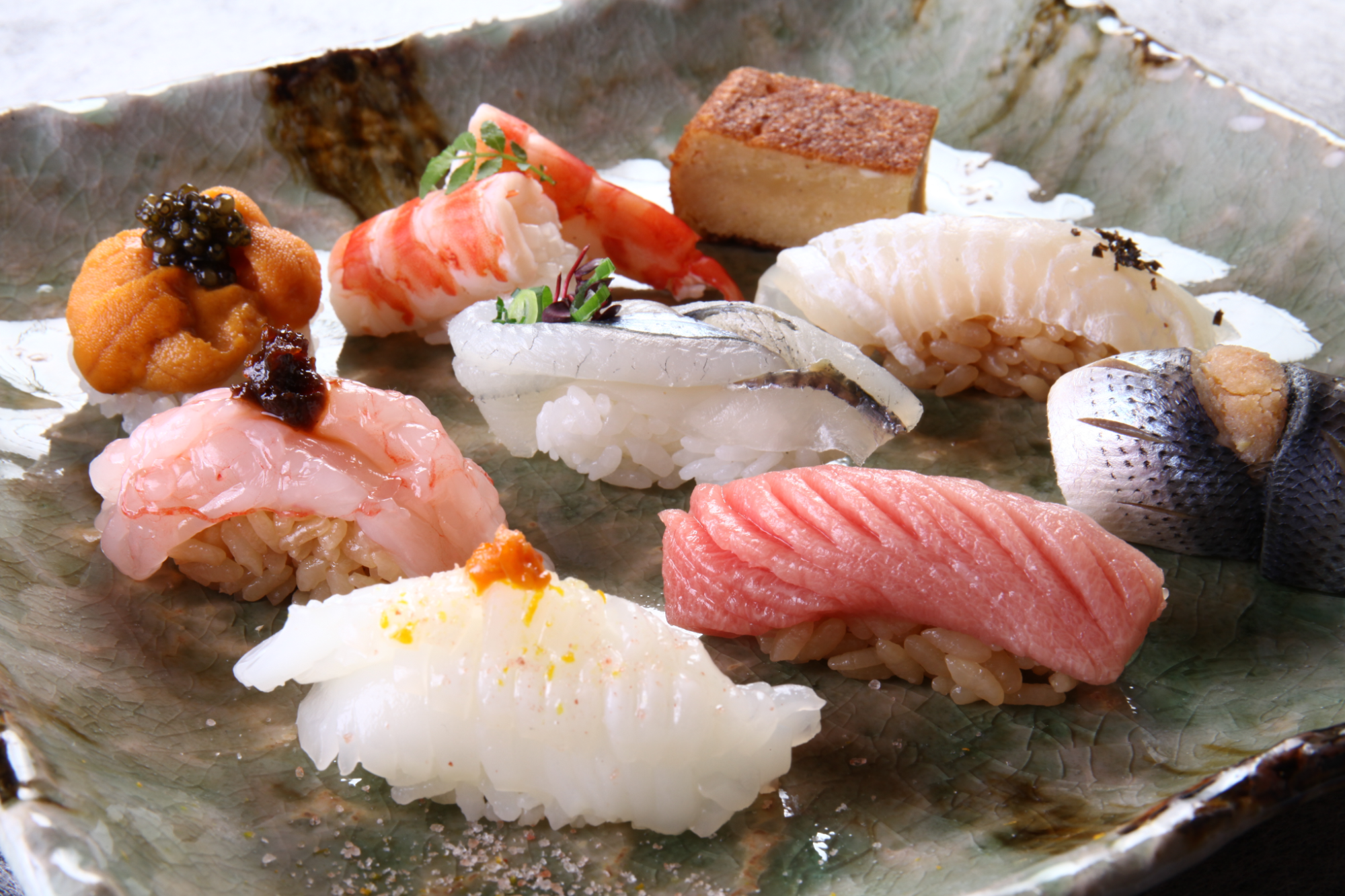
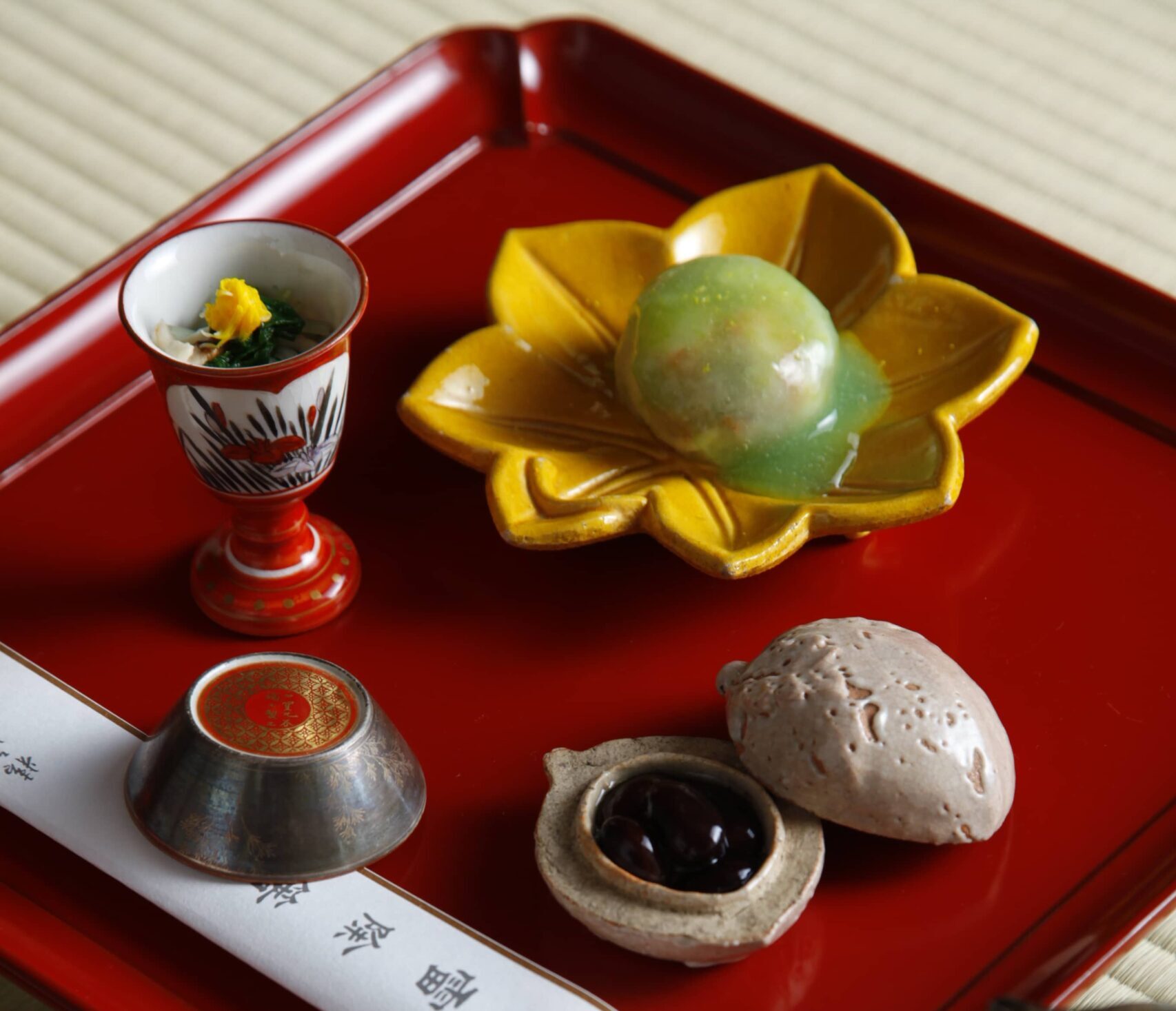
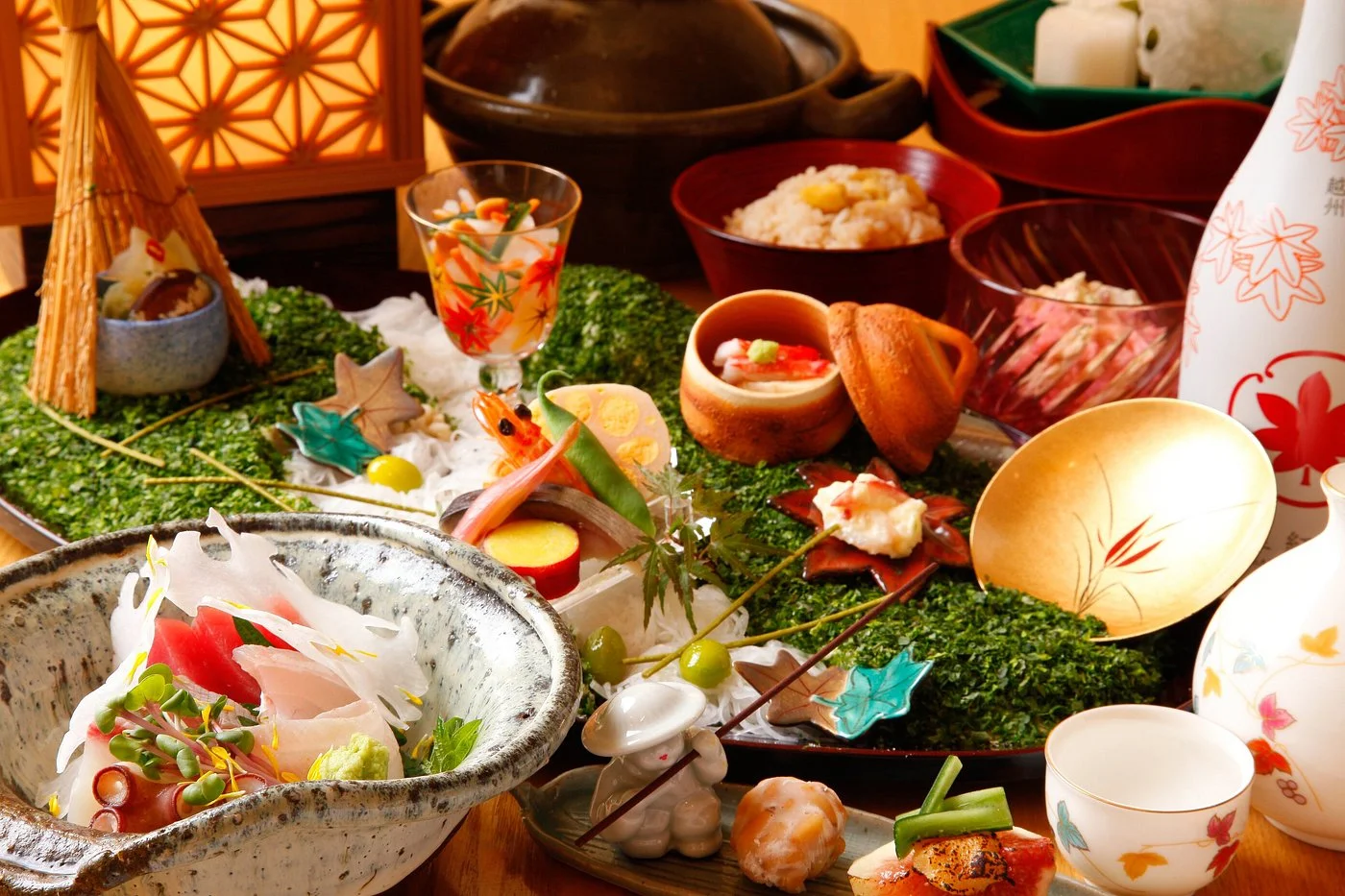
Experience authentic Japanese cuisine at the best restaurants in Japan as recommended by locals.
Book a table at top-rated restaurants to enjoy exquisite kaiseki (course-style) Japanese dinners.
The following people are eligible to shop in Japan tax-free:
・Non-residents and foreign visitors to Japan who have been in the country for less than six months
・Japanese nationals who have returned to the country on a temporary basis
・Cruise ship passengers arriving in Japan on a cruise landing permit
If you fall into one of these categories, you are eligible for tax-free shopping in Japan. You must, however, present your passport when buying tax-free goods.
Note: The consumables/general goods distinction described below applies to purchases made on or before October 31, 2026. From November 1, 2026, the two categories will be merged into a single unified category. See the Changes section for full details.
Unfortunately, you can’t buy everything in Japan tax-free. Items you want to purchase must fit into one of two categories:
1.) Consumables
2.) General Goods
Let’s find out just exactly what that means.
Consumable goods include:
・Food
・Drinks
・Medicine
・Health food products
・Cosmetics
・Cigarettes
But if you buy any consumable items in Japan tax-free, you cannot consume them while still in Japan. All consumable goods will be sealed and labeled at the point of purchase. You won’t be able to open them until you leave the country.
Another stipulation is that you must spend 5,000 – 500,000 Yen, buy the goods on the same day in the same store, and take them out of Japan within 30 days.
General goods include:
・Clothing
・Electronics
・Jewelry
・Houseware
These items do not require special packaging or labels. You can use your purchases while still in Japan, but you must take them out of the country within six months of entering. The minimum spend to qualify for a tax refund is 5,000 Yen.
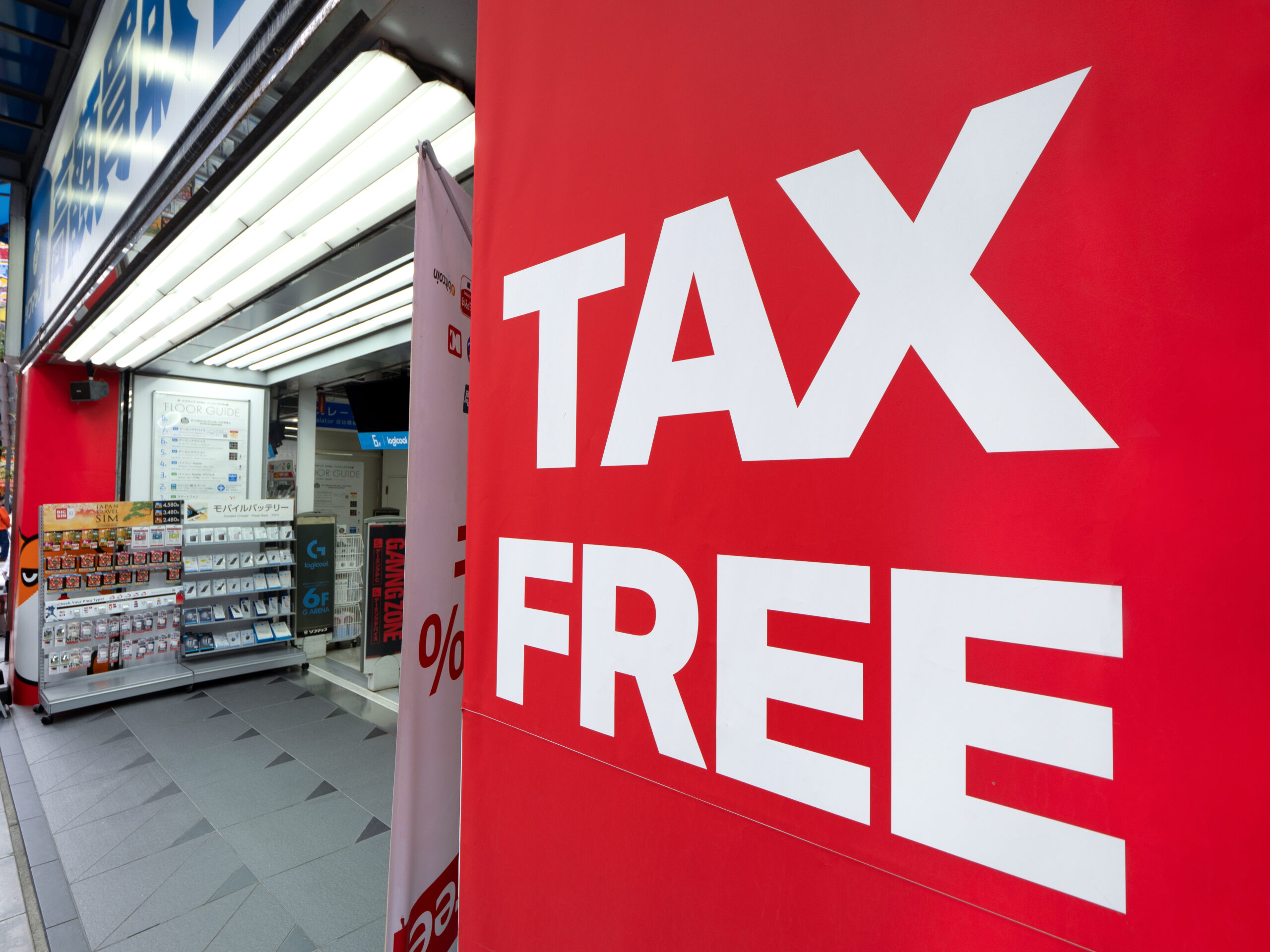
You cannot shop tax-free everywhere in Japan. Only certain types of stores participate. These usually include:
・Airport stores
・Department stores
・Outlet malls
・Stores in shopping districts and tourist-heavy areas
Businesses that offer tax-free shopping in Japan display a prominent “Japan Tax-Free Shop” sign or sticker. These are typically red and white to make sure they stand out.
If you’re not sure whether a store offers tax-free shopping, don’t hesitate to ask. Otherwise, you may spend more than you intend to if you can’t apply for a tax refund.
Note: The process below applies to purchases made on or before October 31, 2026. If you’re visiting Japan from November 1, 2026 onwards, see the new process below.
Depending on the store, there are two possible processes:
1.) You present your passport at the counter when purchasing your items and pay the tax-free rate.
2.) You pay the full price of the goods first, then take them to a special tax-free counter to receive a refund on the tax amount. Request a Record of Purchase to show when passing through customs at the airport. You may need to sign a Purchaser’s Pledge to confirm that you agree to follow the rules of tax-free shopping.
The first option is the most common in shops, drugstores, and electronics stores. The second is typically used in department stores and larger shopping malls, which tend to have a central tax-free counters. If you’re shopping in a mall, it’s worth stopping by the tax-free counter before you start — some counters offer discount coupons to visitors who register in advance.
Regardless of the method used, you must have your passport with you to shop tax-free in Japan.
Here are a few key points to remember when shopping tax-free in Japan:
・The name on your passport must match the name on the credit card you use to buy tax-free goods.
・Take care when purchasing both general and consumable goods in one transaction: you need to spend at least 5,000 Yen in each category to qualify for tax-free shopping in Japan. (Note: this two-category rule applies until October 31, 2026. From November 1, 2026, all goods can be combined toward the 5,000 Yen minimum.)
・You can’t open consumables until you leave Japan. If you can’t wait until then, you will need to give up your tax exemption. (Note: the sealed consumables rule and special packaging requirement are abolished from November 1, 2026.)
・When preparing to leave Japan, confirm with customs which items are accepted as carry-on luggage and which are prohibited. Do this before you complete your check-in procedures.
・To shop tax-free in Japan, your passport must carry an entry stamp showing your date of arrival. If you use an automated gate at airports such as Narita, Haneda, Chubu, or Kansai, your passport may not be stamped automatically — but you can request one. Simply inform the immigration officer at the gate that you need an entry stamp for tax-free shopping purposes, and they will add it for you.
・Make sure that you can legally bring all the products you buy into your home country after your trip to Japan.
・Tax-free goods must leave Japan in your baggage. Since April 1, 2025, items purchased tax-free can no longer be shipped home internationally and still qualify for the tax exemption. You must physically carry all tax-free purchases out of the country when you depart. (You can still ship items home, but they will not be tax-free.)
・Visit Japan Web offers a tax-free QR code that links your passport information to your purchases, allowing you to complete in-store tax-free procedures without handing over your physical passport each time. It is important to note, however, that some retailers may not accept the QR code ahead of the November 2026 changes. Keep your physical passport and all receipts with you, regardless if you plan to use the QR code or not.
Starting November 1, 2026, tax-free shopping in Japan will shift to a new refund-based system. Here’s what you need to know about the new system.
From November 1, 2026, the in-store tax exemption ends entirely. There is no overlap period — if your purchase is made on or after that date, the new rules apply in full.
Under the new system, here’s how the process works:
At the store: Present your passport at the register. You pay the full tax-inclusive price. The store registers your purchase digitally, and a record is automatically transmitted to Japan’s customs system. You take your items with you, no sealed packaging required.
Keep your receipts: Hold onto all purchase receipts. You will need these when claiming your refund at the airport. If receipts are missing, your refund may be denied.
At the airport: Before boarding your international flight, go through the tax refund procedure. Depending on the airport, this may be at a staffed customs counter or a self-service kiosk, where scanning your passport will pull up your registered purchase records automatically. You may be asked to show your purchased items, so make sure everything is accessible. Allow extra time before your flight, especially during peak travel seasons. Once the review of your records is completed, the system will proceed with your refund.
The November 2026 update also brings some simplifications worth knowing about:
・No more sealed packaging. You are no longer required to seal consumables in special bags at the point of purchase.
・No more consumables vs. general goods split. The two product categories are merged into one. All eligible goods can be combined to meet the 5,000 Yen minimum spend.
・No more 500,000 Yen spending cap. The previous daily limit on consumables is removed under the new system.
・The 5,000 Yen minimum spend remains. You still need to spend at least 5,000 Yen (pre-tax) in a single store on the same day to qualify.
・Depart within 90 days of purchase. Under the new system, you must leave Japan within 90 days of purchase for your refund to be valid (compared to 30 days for consumables under the old system).
・Goods must leave Japan with you. Purchases mailed or shipped home do not qualify for the tax refund. All items must be in your personal baggage when you depart.
Yes — the saving is the same 10%, you simply receive it on the way out rather than at the register at the time of purchase. The main things to plan for are keeping all your receipts, budgeting for the full tax-inclusive price when you shop, and allowing extra time at the airport for the refund process.
Shopping tax-free in Japan is a fantastic way to pick up amazing consumables and general goods in a more affordable way. And if you need a comfortable place to relax after a day’s tax-free shopping in Japan, we’re happy to help!
Other article you may be interested in:
・Tips for Money in Japan and Currency Exchange Options
・Japan Travel Tips: Internet Access While Traveling in Japan
・Best Travel Tips: What to Pack for Japan & Practical Info





 ×
×